
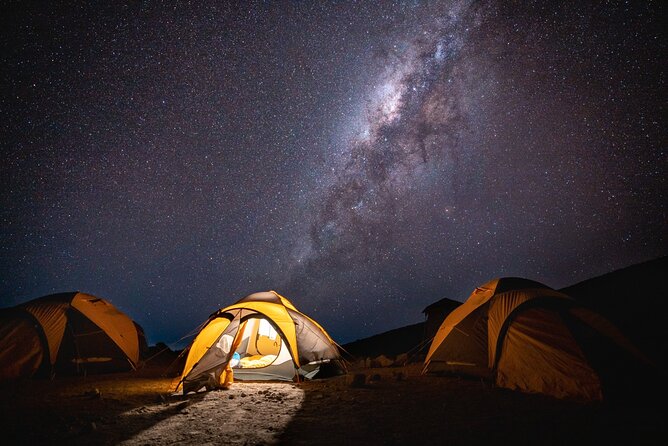
Reviewed · HIKING & TREKKING
Kilimanjaro climb by Lemosho Route (7-day)
Kilimanjaro’s Lemosho Route gives you a long, carefully paced climb through several climate zones, from high forest to Arctic desert. The reward is not only Uhuru Peak at 5,895 meters, but the changing scenery: Shira Plateau views, the Barranco Wall, volcanic rock, glaciers, and a final descent into rainforest.
I like the built-in acclimatization hikes and the strong support system. You get airport transfers, hotel nights, tents, cooks, porters, medical checks, oxygen, and guides trained in Wilderness First Response. The main drawback is simple: this is a serious high-altitude climb, and summit night lasts about 14 hours from Barafu Camp.
Key points
- Seven mountain days with two hotel nights: The trip lasts about nine days, including arrival and departure in Moshi.
- A gradual route with useful altitude practice: You sleep high, descend, and climb again, including the Lava Tower and Kosovo acclimatization hikes.
- A demanding summit night: You leave Barafu Camp at night for Uhuru Peak, then descend to Millennium Camp.
- Full mountain support: Porters, cooks, camp staff, medical kits, oxygen, oximeters, and branded tents are included.
- Meals can fit many diets: Vegetarian, vegan, lactose-free, gluten-free, halal, and other meal plans are available.
- Private group format: Only your own group participates, with discounts available for groups.
Why the Lemosho Route is a smart seven-day choice
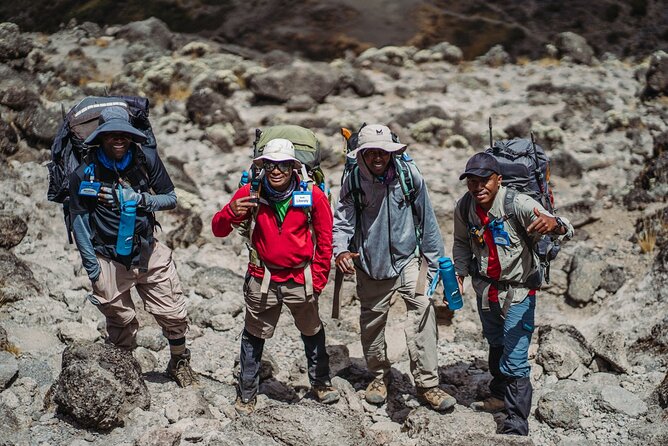
The Lemosho Route approaches Kilimanjaro from the west. Its opening days are gentler than the summit day, which gives your body more time to adjust before the altitude becomes the main test.
You begin near Londorossi Gate at about 2,200 meters, then drive higher toward the Shira Plateau. This means the route skips some of the lower walking found on other approaches, but you still get a broad range of scenery and several acclimatization walks.
I like the way this itinerary uses the mountain rather than rushing across it. You climb to Lava Tower at 4,630 meters, spend time there, and then sleep lower at Barranco Camp. That climb high, sleep lower pattern is useful preparation for summit night.
The seven mountain days are not easy, but the walking is broken into manageable sections. The most difficult parts are the altitude, repeated uphill and downhill sections, cold, and the long final ascent. You do not need technical climbing skills, but you do need moderate fitness and a willingness to walk slowly for many hours.
More Hiking Tours in Kilimanjaro & Moshi
- Kilimanjaro climb, Machame Route (7-day)
★ 5.0 · 262 reviews - Kilimanjaro Climbing Lemosho Route 8 Days.
★ 5.0 · 186 reviews - 8-Day Small-group Lemosho Kilimanjaro Summit Trekking
★ 5.0 · 186 reviews
Arrival in Moshi and the Aishi Machame Hotel
Your experience begins at Kilimanjaro International Airport, where an Altezza Travel representative meets you and provides transport to the hotel. Two nights at Aishi Machame Hotel are included, one at the start and one after the climb.
The hotel includes hot water, Internet access, a swimming pool, and breakfast. The first evening includes a briefing with managers, followed by another briefing and gear check before you leave for the mountain.
This first night matters more than it may seem. You can recover from your flight, check your clothing and footwear, and ask practical questions before the climb starts. The hotel check-in time is 2:00 PM, and check-out on the final day is 11:00 AM.
If your flight leaves later, late check-out is available for an extra fee. Lunch and dinner at the hotel are not included, with an average listed cost of about $15 per person for either meal.
Day 1: Londorossi Gate and the first view of Shira

The second day begins with a drive of roughly three to four hours from the hotel to Londorossi Gate. Your guides handle park permits and registration with the search and rescue service.
From the gate, off-road vehicles take you higher, reaching about 3,500 meters. This saves energy and brings you quickly to the western side of the mountain. You get an early view of the Shira Plateau, one of the route’s major visual highlights.
The walk to Shira 1 Camp is short and not especially demanding. The altitude, however, can still make an easy trail feel unusual. Walk slowly, drink regularly, and do not treat this first day as a chance to prove how fast you can go.
Your tent is a North Face VE-25 model, shared by two hikers unless you pay for a solo setup. The mountain crew also supplies sleeping pads, a dining tent, tables, chairs, crockery, and cutlery.
Day 2: Shira 1 to Shira 2 and the first acclimatization hike
You leave Shira 1 Camp at about 3,505 meters and walk to Shira 2 Camp at 3,900 meters. This is one of the easier days, with time to enjoy views across Africa and the unusual plants found at this height.
On a clear day, you may see Mount Meru, Africa’s fifth-highest summit. The open setting around Shira also gives you a strong sense of how quickly Kilimanjaro’s surroundings change as you gain height.
After lunch and a two-hour rest, you take an acclimatization walk toward Lava Tower, gaining about 200 meters before returning to camp. This extra outing is valuable because it lets you experience higher elevation without committing to a night there.
The day lasts about six hours. That leaves time to eat, organize your sleeping gear, and rest before the route becomes more demanding.
Same corner of the map, a completely different outing:
- Materuni Waterfalls, coffee tour & Kikuletwa Hot Springs
★ 5.0 · 643 reviews - Materuni Waterfalls & Chemka Hotsprings Day Trip
★ 5.0 · 214 reviews - Climbing Kilimanjaro – Machame Route
★ 5.0 · 170 reviews - Climbing Kilimanjaro through 7 days Machame Route
★ 5.0 · 151 reviews
Day 3: Lava Tower, Barranco Wall, and altitude management
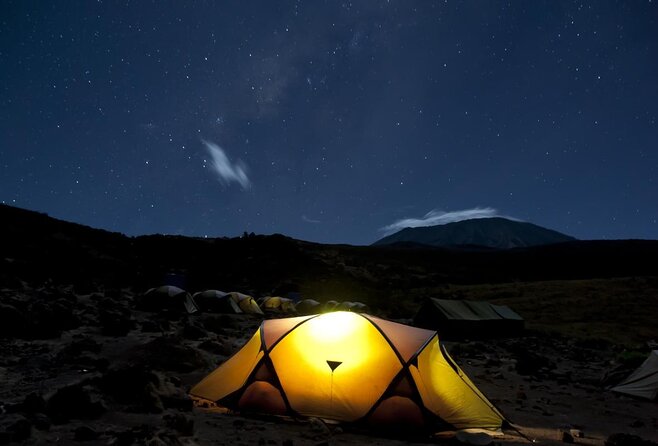
This is the key acclimatization day. You leave Shira 2 and make a series of climbs and descents toward Lava Tower at 4,630 meters.
Some people feel headache, breathlessness, tiredness, or nausea at this height. The plan is to spend at least one to two hours at Lava Tower, usually over lunch, then descend to Barranco Camp at about 3,960 meters.
That descent is the point. You briefly reach a higher altitude, then sleep lower. It can feel strange to work hard climbing up only to lose height, but this pattern gives your body useful exposure while keeping the sleeping altitude more manageable.
Barranco Camp is famous for the Barranco Wall, a huge volcanic cliff that looks much more intimidating than the trail itself. The next morning you climb it. The route is a hands-on hike in places, but it is not a technical rock climb.
This day lasts about eight hours, so you should expect a full mountain day. Take the guides seriously if they adjust the pace or route for someone who is struggling. The itinerary allows route changes if conditions require them.
Day 4: The Barranco Wall and Karanga Camp
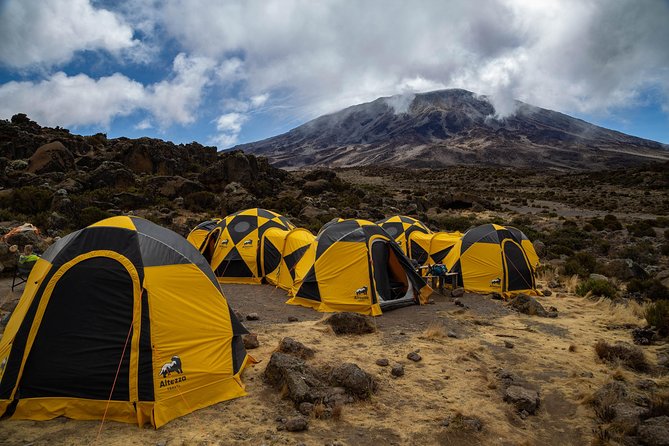
You leave early to climb the Barranco Wall before larger groups arrive. That early start is practical advice worth following, since crowded sections can slow everyone down.
The climb takes about an hour and gives you a fine view back toward Kibo, Kilimanjaro’s main volcanic cone. It is one of the most memorable sections because the trail feels more adventurous than the gentle walking of the opening days.
After the wall, the route to Karanga Camp includes several uphill and downhill sections. The distance is not the only issue. At this height, repeated changes in grade can drain your legs quickly.
You receive a warm lunch at camp, then take another acclimatization hike toward Barafu Camp before returning to Karanga. The total day lasts about seven hours, and the extra walk helps prepare you for the higher camps ahead.
Day 5: Barafu Camp and the quiet before summit night
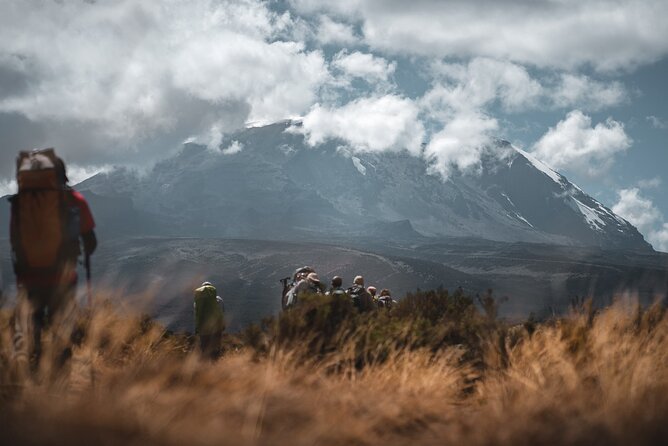
The walk from Karanga to Barafu Camp reaches 4,640 meters. Barafu is the starting point for the summit attempt, so the mood changes here. There is little to do except eat, rest, organize your gear, and prepare for a night ascent.
After arriving, you take an acclimatization walk toward Kosovo Summit Camp at about 4,800 meters, then return to Barafu. You are served a hot dinner before trying to sleep.
The schedule can feel odd because you may go to bed during the day and wake after midnight. Follow the plan as closely as you can. Summit night is not the time to discover that your gloves, headlamp, water bottle, or extra layers are buried at the bottom of your bag.
The support crew prepares tents and sleeping bags ahead of time. That small service matters after the climb to Barafu. You can focus on resting instead of setting up camp.
Day 6: Uhuru Peak and the long descent
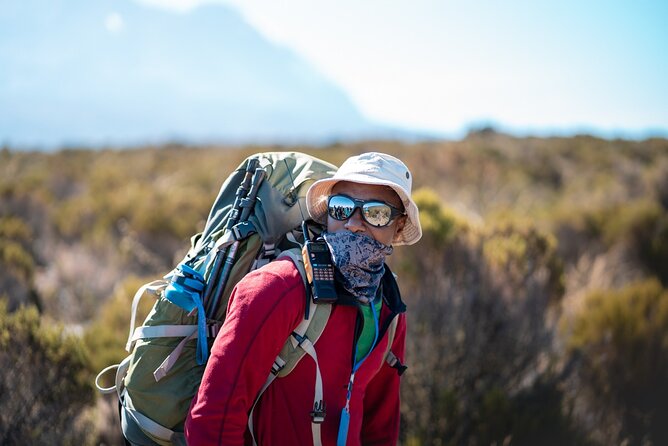
The summit attempt begins at night from Barafu Camp. Technically, the route is not described as difficult climbing, but the altitude makes every step harder. You move slowly with guides monitoring your physical and mental condition.
Each pair of climbers receives a personal guide for the ascent. That close support is one of the stronger features of the arrangement, particularly during the cold, dark hours when fatigue and altitude can affect judgment.
The summit is Uhuru Peak at 5,895 meters. If conditions and your energy allow, you can descend toward the nearest glacier after reaching the top. Then you return to Barafu Camp for about two hours of rest before continuing to Millennium Camp at 3,820 meters.
The complete day lasts about 12 hours, while the preceding summit schedule is listed at about 14 hours. Either way, this is the hardest part of the trip. Descending deserves full attention. Loose ground and tired legs create real risks, so watch your footing and do not rush simply because you are going downhill.
Day 7: Rainforest descent and the return to Moshi
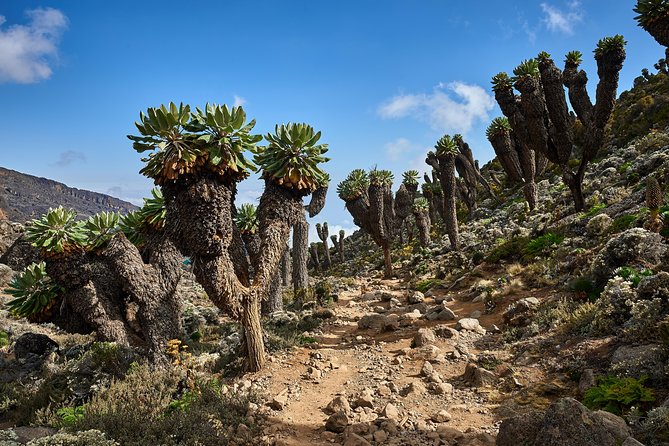
Millennium Camp sits in tropical rainforest, a dramatic change from the cold, bare high camps. After breakfast, you descend to Mweka Gate at about 1,640 meters.
The walk takes about five hours. Lower altitude usually brings relief, but your knees and feet may still be tired after the summit push.
At the gate, the group gathers before returning to the hotel. Certificates are presented at the Altezza office, and you have time to share your thoughts about the climb. The final hotel night gives you a proper bed, hot water, and a chance to recover before your flight.
Meals, tents, and the mountain support crew
Three meals a day are included on the mountain, along with tea, coffee, juices, soda, and other drinks. The food is designed to provide steady energy, and each meal offers a choice of options.
You can request vegetarian, vegan, lactose-free, gluten-free, halal, and other meal plans. Tell the company about your needs before arrival so the cooks can prepare properly.
The crew includes guides, porters, camp masters, cooks, and support staff. The guides hold Wilderness First Responder certification, and the package includes medical kits, oximeters, medical checks, and unlimited oxygen tanks.
Oxygen is not a substitute for acclimatization or a guarantee of reaching the summit. It is part of the safety equipment, while the guides’ checks and decisions remain central to the climb.
Past groups have been guided by people including Kombe, Elia, Joshua, Bosco, George, and Hamza, though your assigned team can differ. The consistent point is that you should expect a large working crew behind the scenes, not a minimalist walking tour.
What the $3,476 price covers
At $3,476 per person, this is a major purchase. The value comes from the amount included: airport pickup and drop-off, ground transport, two hotel nights, park fees, mountain tents, camping equipment, three meals a day, drinks, guides, porters, cooks, medical supplies, and summit support.
You still need to budget for your international flight, visa, personal clothing, footwear, sleeping bag, insurance, hotel lunches and dinners, and crew tips. A Tanzanian visa is listed at $50 for most nationalities and $100 for US passport holders.
Personal gear can be rented, which may reduce the cost of buying equipment for a single climb. Mountaineering insurance covering trekking up to 6,000 meters is strongly recommended and is not included.
Single hotel rooms and private tents cost extra. Group discounts may help if you are booking with friends or family.
Who should book this climb?
I would choose this trip if you want a structured Kilimanjaro experience with extensive support and a private group. It suits first-time high-altitude hikers who are prepared to train, walk slowly, and accept that summit success depends on health and conditions.
You should have moderate physical fitness. You do not need technical climbing experience, but you should be ready for long days, steep sections, cold nights, limited sleep, and a descent that continues after the summit.
This is less suitable if you want a short, casual mountain walk or a self-guided adventure. The price is high, but the route planning, park fees, equipment, meals, transport, and mountain staff remove much of the logistical work.
Should you book Altezza Travel’s Lemosho climb?
Book it if you value careful pacing, a full support crew, organized transfers, dietary flexibility, and close guide supervision on summit night. The Lemosho route gives you varied scenery and several chances to adjust to altitude before the final push.
Think twice if you are not ready to train or if your schedule cannot allow flexibility around a demanding climb. Read the insurance terms carefully, arrange your personal gear early, and plan for tips and meals outside the mountain package.
For a prepared hiker who wants the practical details handled by one operator, this is a strong and well-supported way to attempt Kilimanjaro.
FAQ
How long does the full experience last?
The experience lasts about nine days, including arrival, seven mountain days, and departure from the hotel.
How high is Uhuru Peak?
Uhuru Peak is at 5,895 meters.
Where does the climb begin?
The climb begins after transport from Moshi to Londorossi Gate, followed by an off-road transfer toward the Shira Plateau.
Is airport transportation included?
Yes. Pickup and drop-off at Kilimanjaro International Airport are included.
Are hotel nights included?
Yes. Two nights at Aishi Machame Hotel are included, with two people per room unless you select single accommodation for an extra charge.
How many people share a mountain tent?
North Face VE-25 tents are shared by two hikers, except on solo climbs or when a private tent is purchased.
Are meals included?
Three meals a day are included on the mountain. The package lists six lunches, eight breakfasts, and six dinners, along with drinks.
Can special diets be accommodated?
Yes. Vegetarian, vegan, lactose-free, gluten-free, halal, and other meal plans are available.
Is climbing equipment included?
Group equipment, tents, sleeping pads, dining equipment, and related camp gear are included. Personal clothing, footwear, and sleeping bags are not included, but personal gear is available for rent.
What happens during summit night?
You leave Barafu Camp at night for Uhuru Peak, descend back to Barafu for about two hours of rest, and then continue down to Millennium Camp. The summit day lasts about 12 hours, with the full summit schedule listed at about 14 hours.
Do I need travel insurance?
Mountaineering insurance covering trekking up to 6,000 meters is not included but is highly recommended.
Can I cancel the booking?
You can receive a full refund if you cancel at least 24 hours before the experience start time. Cancellations or changes made less than 24 hours before the start time are not accepted for a refund.
More Week-Long Routes from Kilimanjaro & Moshi
- 7-Day Machame Kilimanjaro Summit Tour from Arusha
★ 5.0 · 125 reviews - Tanzania Classic – 7 Days
★ 5.0 · 1,151 reviews - 7-Day Premium Luxury Tanzania Safari All-Inclusive
★ 5.0 · 426 reviews - 7 days Tour from Tangier to Marrakech Morocco Tours
★ 5.0 · 245 reviews
Just added for Kilimanjaro & Moshi
- Maasai village visit, Materuni waterfalls & coffee experience★ 4.5 · 95 reviews
- Materuni Waterfalls & Coffee Tour from Moshi★ 5.0 · 92 reviews
- Mountain Kilimanjaro Day Hike★ 5.0 · 102 reviews
- Arusha or Moshi : Hot Spring, Waterfall & Coffee Farm Tour★ 4.8 · 80 reviews
- Kilimanjaro climb, Lemosho Route (6-day)★ 5.0 · 129 reviews
- Materuni Waterfall, Coffee Tour and Picnic Hot Lunch★ 5.0 · 128 reviews
- 7-Day Machame Kilimanjaro Summit Tour from Arusha★ 5.0 · 125 reviews
- Climbing Kilimanjaro through 7 days Machame Route★ 5.0 · 151 reviews
Hiking & Trekking, compared.
Berber villages : Atlas Mountains Day Hike from Marrakech
Read our review →
3 Days Desert Tour From Marrakech To Merzouga Dunes & Camel Trek
Read our review →
Ourika Valley Trip with Waterfall Hike & Lunch
Read our review →
ourika valley lunch & guided hike to waterfalls
Read our review →
3-Day Tour to Merzouga Erg Chebbi with Food & Camel Trek
Read our review →Browse the lists this tour appears in